Product Overview
Product description
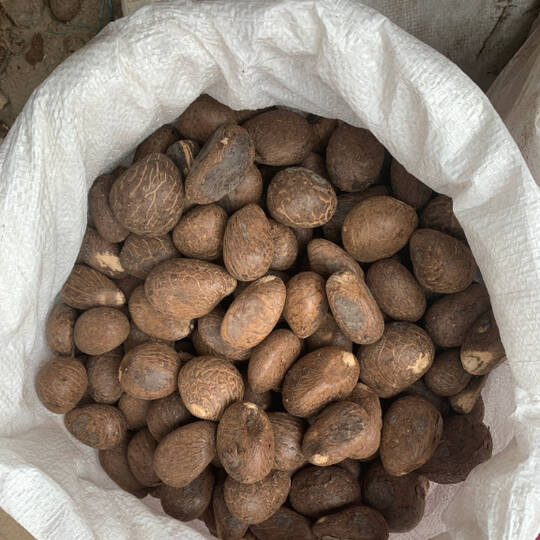
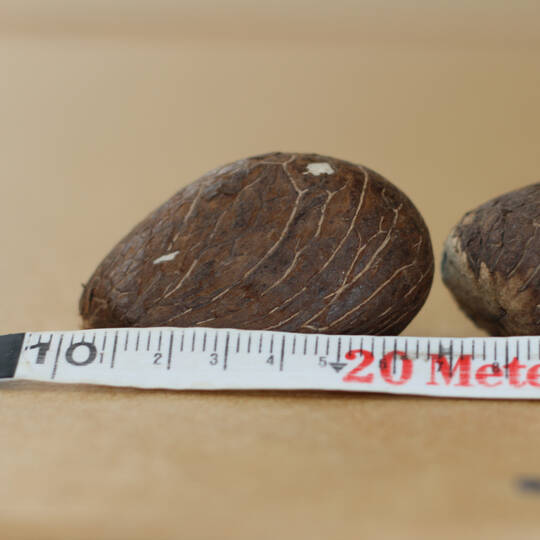
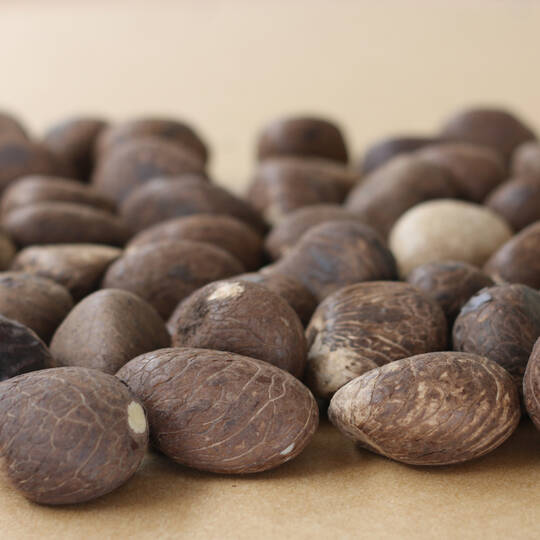
Hard, dense seeds harvested from Phytelephas palms in the tropical rainforests of the Pacific region (notably Panama, Colombia and Ecuador). The white endosperm of the tagua nut — commonly called vegetable ivory — polishes to a smooth, ivory‑like finish while remaining a renewable, biodegradable plant material.
Key features:
- Raw material: hard white endosperm from Phytelephas species (e.g., P. macrocarpa, P. aequatorialis).
- Appearance: when polished, closely resembles mammal ivory in color and grain, making it well suited for decorative and finished products.
- Typical uses: buttons, beads, jewelry, carved ornaments, small sculptures, decorative inlays and other craft or industrial components.
- Origin and sourcing: native to northwestern South America; in Ecuador the species used for tagua grows in subtropical zones between the Andes and the coast (notably Manabí) up to ~1,500 m altitude.
- Sustainability: plant‑based, renewable and biodegradable alternative to animal ivory; suitable for businesses seeking ethically sourced natural materials.
Commercial considerations:
- Supplied as whole nuts or processed blanks (polished/cut) depending on supplier — confirm available grades, sizes and processing options with your vendor.
- Common grading factors include color uniformity, absence of internal defects, and shell integrity for carving/turning operations.
Applications include large‑scale button manufacturing, jewelry and bead production, artisanal carving and decorative manufacturing where a natural ivory‑like appearance and sustainable sourcing are required.
Product Details
- Brand
- tagua.global
- Country of origin
- Ecuador
- Industrial sector
- Textile
- Unit type
- Kilogram
- Estimated HS Code
- HS 140490: Other
Supplier

- Company
- Tagua Global
- Address
-
100215
Ibarra
Ecuador - Telephone
- Available


